Did you know that polygamy doesn’t always mean a man with more than one wife?
The new season of Seeking Sister Wife is here! The Snowdens and Winders are back on Season 3, and a few new families have joined the cast.
One of the new families is from North Carolina and currently has 2 wives. The husband’s name is Jarod Clark, and in Episode 1, he brought up some of the vocabulary surrounding polygamy:

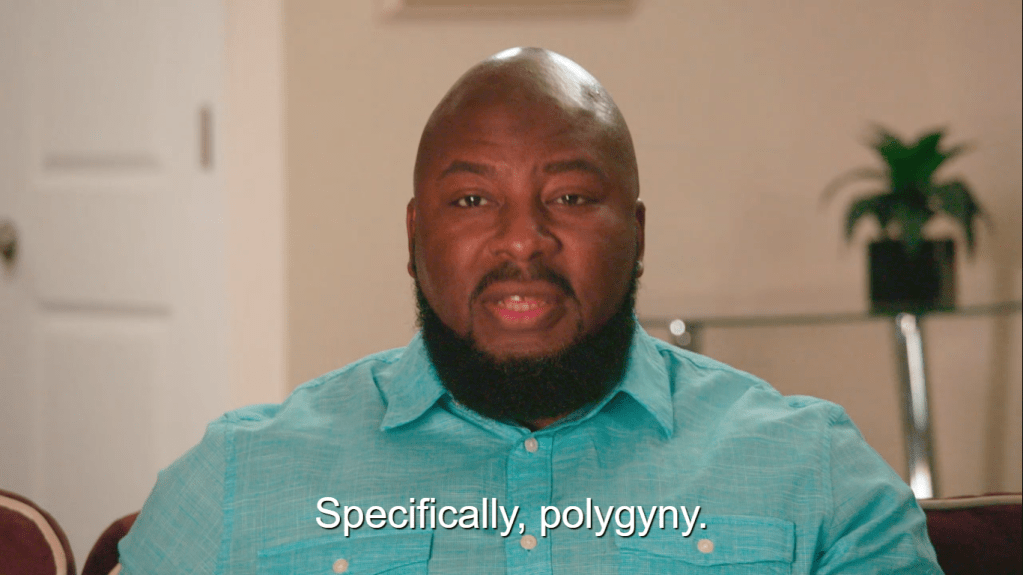

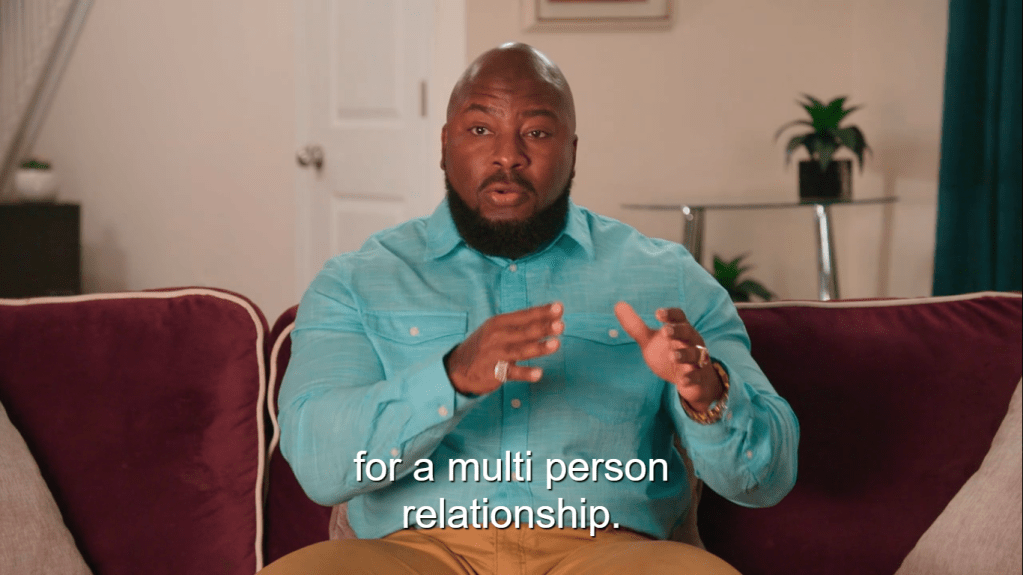
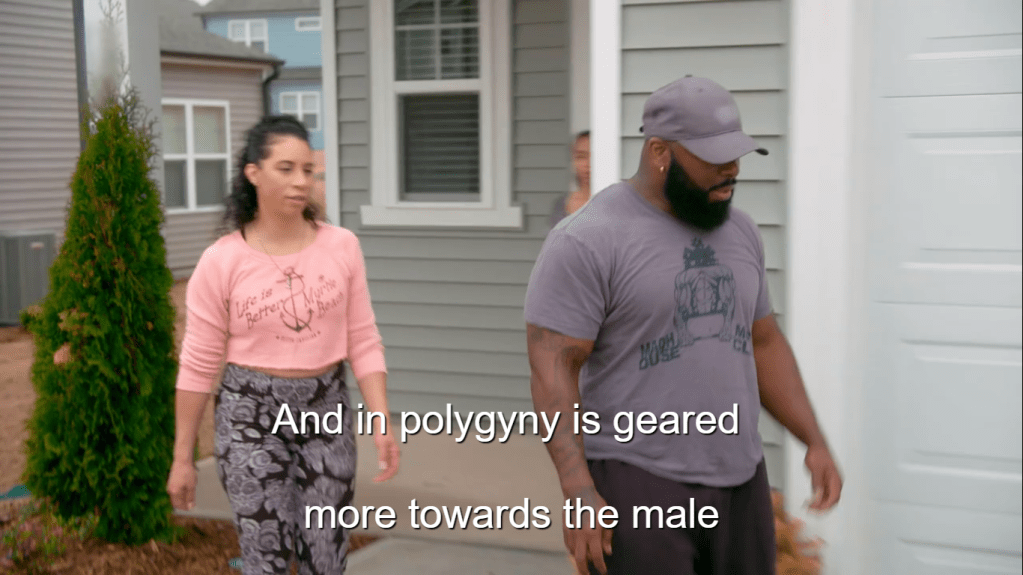
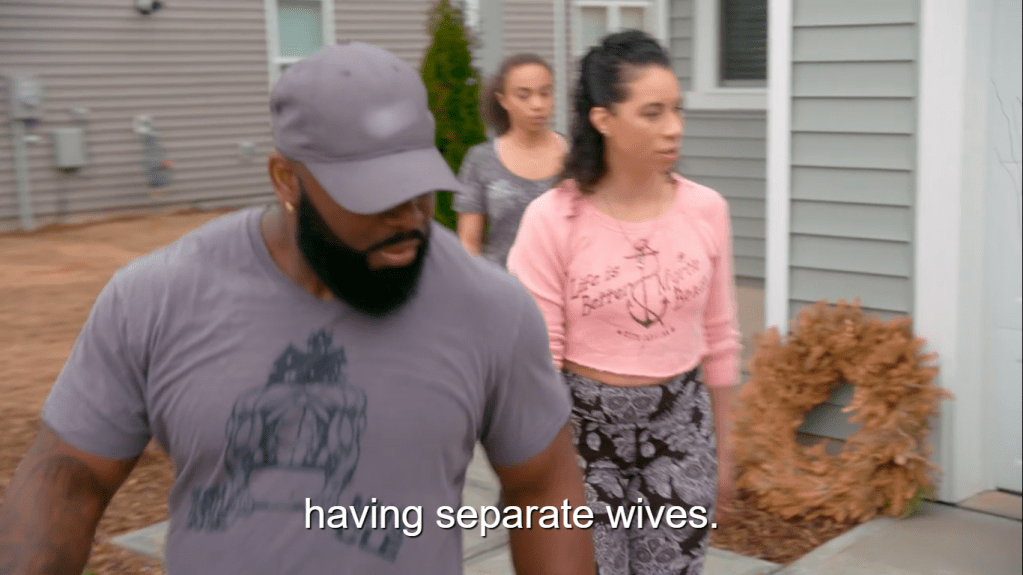
We practice polygamy; specifically, polygyny. Polygamy is the umbrella term for a multi-person relationship. And in polygyny … the male [has] separate wives.
Jarod Clark
The distinction he makes is correct. Polygamy means basically “many marriages” and can refer to a man with multiple wives or a woman with multiple husbands. The former is called polygyny, and the latter is called polyandry.
So why is polygamy the word used in so many contexts when referring to polygyny?
One reason must be the fact that one man with multiple wives is far more common than a woman with multiple husbands. Someday, I may write about why this is the case, but for now I’ll just point it out as a fact that thruout history and across cultures, polygamy almost universally means the husband has more than one spouse.
It’s universal enough that Dictionary.com acknowledges it in its definition of polygamy: “the practice or condition of having more than one spouse, especially wife, at one time.”
I admit I perpetuate the lack of distinction on this blog by using “polygamy” instead of the more specific “polygyny” most of the time. The simple reason I use “polygamy” is that it’s a much more familiar word.
I should mention that most fundamental Mormons prefer the phrase “plural marriage”. I think that’s the terminology used in Sister Wives most of the time.
Now let’s discuss the title of the episode: “Polygamist and Proud!” along with some grammar.
Polygamist is a noun. A polygamist is “a person who practices or favors polygamy.”
Polygamous is an adjective. (Quick review: Adjectives describe nouns. In the sentence “handsome man”, “handsome” is the adjective and “man” is the noun.) “Polygamous” is an adjective that describes something or someone as being “of, pertaining to, characterized by, or practicing polygamy” and is synonymous with the less-commonly used adjective polygamic.
Used in a sentence, you would correctly say:
- “Garrick Merrifield is polygamous.”
- “Sidian Jones is a polygamist.”
- “Jarod Clark is a polygamous man.”
- “I know a polygamist who writes a fascinating blog called ‘Speaking of Polygamy’.”
- “I know the polygamous family who lives in Kody Brown’s old house.”
- “I know a bunch of polygamists.”
- “I am polygamous.”
- “We are polygamists.”
You wouldn’t say:
“Dimitri Snowden is a polygamous.”“Colton Winder is a polygamist man.”“I am polygamist.”
I’ll bet the person/people who titled Episode 1 meant to pair the adjective “Polygamous” with the adjective “Proud”, rather than awkwardly pairing the noun “Polygamist” with the adjective “Proud”. I asked my teenaged daughter what she thought of the title, and she caught the presumed error as well. In other words, I think title should have been “Polygamous and Proud!” instead of “Polygamist and Proud!”
I’m not nitpicking with the intention of criticizing the show. I enjoy watching it and I’m sure my own writing has plenty of grammar mistakes for someone who cares to look. My goal here is simply to educate the reader about some of the vocabulary and grammar in the world of polygamy, clear up any confusion about those words, and provide a little help on correctly using them.
Here’s an example of the usefulness of knowing the proper vocabulary and grammar: In writing this post, I discovered that, according to Dictionary.com, polygamists include people who simply believe in polygamy, no matter whether they are practicing it or not.
From time-to-time I come across someone who is unmarried or monogamous but who calls himself or herself a “polygamist”. This has always bugged me, because I thought their marital status was incompatible with the category “polygamists”. I did not realize that the actual dictionary definition of polygamist really does include a person who simply “favors polygamy”. I stand corrected.
I have hesitated in the past to call myself a “polygamist” because I’m only married to one man, so technically my husband, and not me, is the one with multiple marriages. Realizing what the full definition of “polygamist” is gives me more confidence in calling myself a polygamist.
Getting back to S3E1, what is the deal with not having a schedule? Two of the families said something similar in E1.
Here, one of the couples that is new on SSW, Sidian and Tosha Jones, say that back when they were polygamists, they didn’t have a schedule:
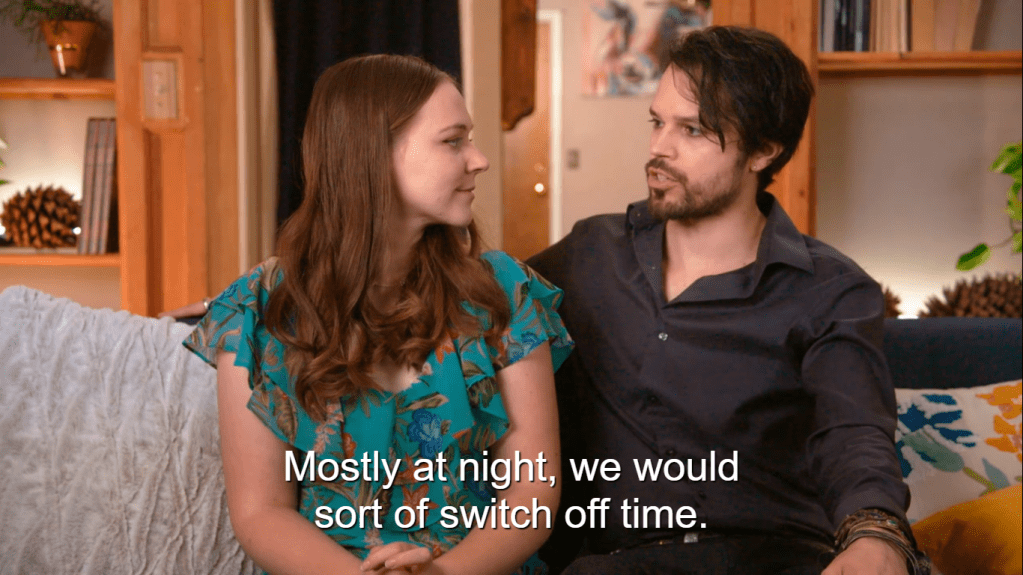
Mostly at night, we would sort of switch off time.
Sidian Jones
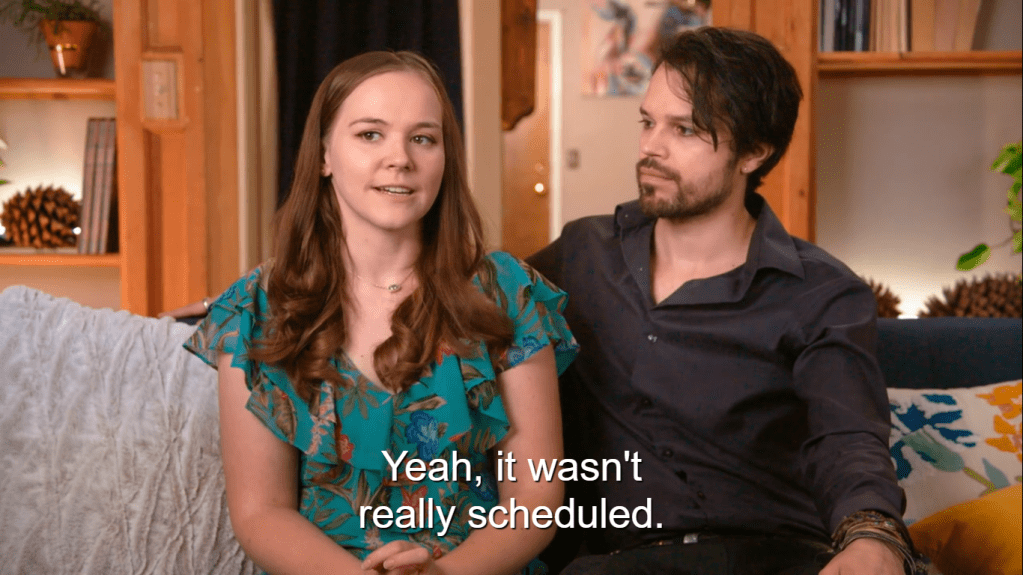
Yeah, it wasn’t really scheduled.
Tosha Jones
And here, Jarod Clark says it’s “natural” and “fluid” to switch between wives without having a schedule.
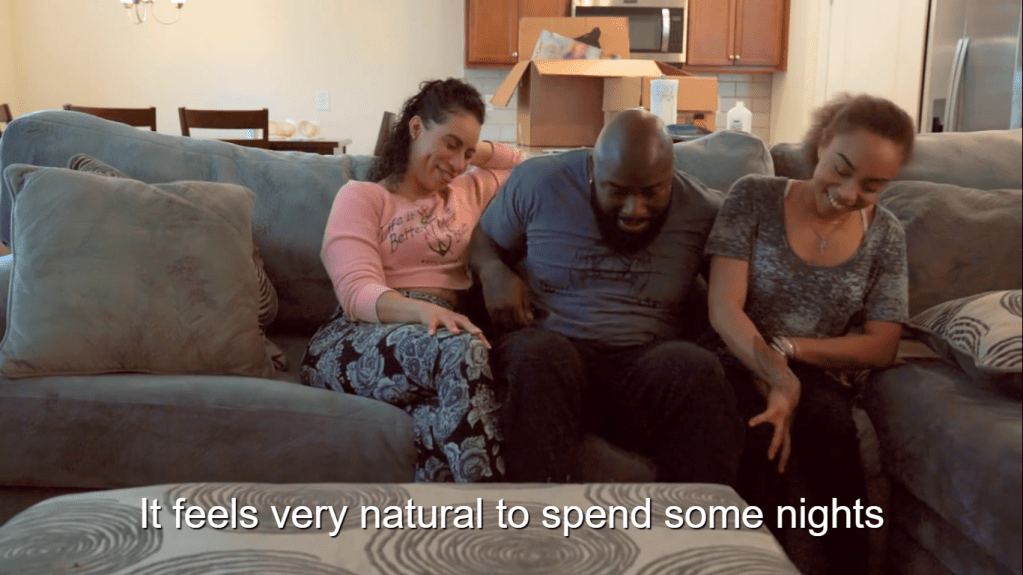

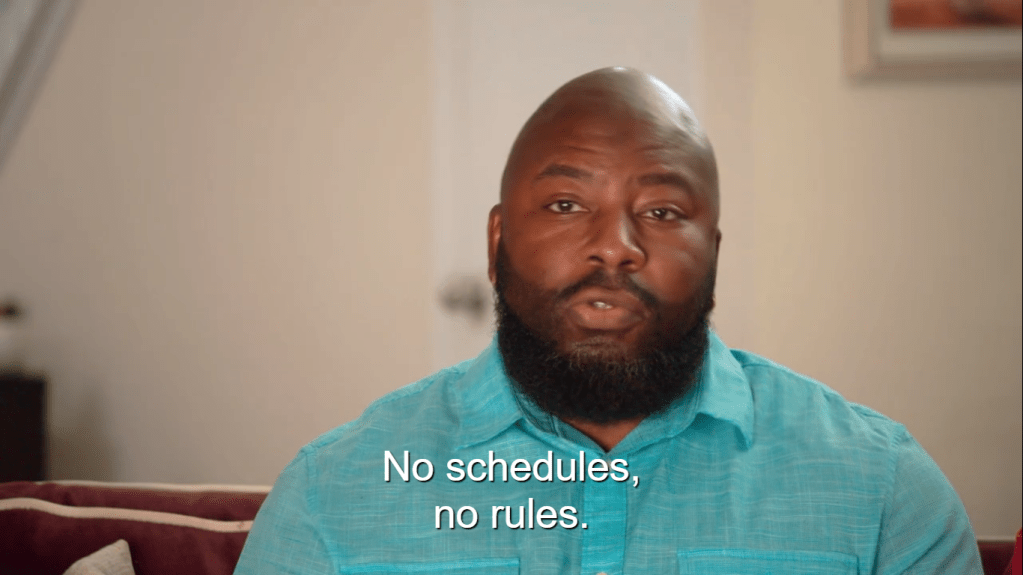
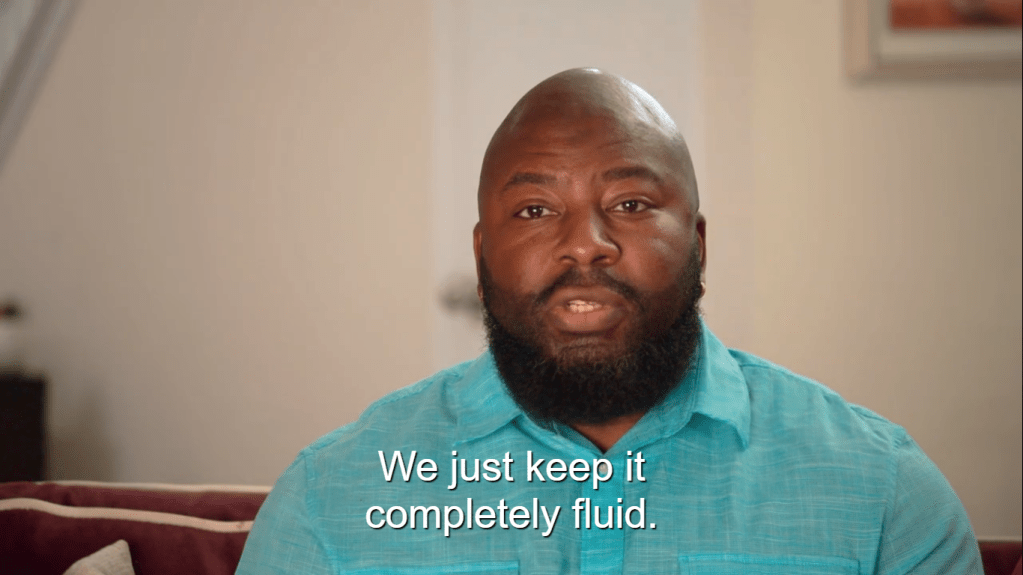
It feels very natural to spend some nights with Kaleh and some nights with Vanessa. No schedules, no rules. We just keep it completely fluid.
Jarod Clark
My sisterwife Melissa, our husband Joshua, and I like to watch Seeking Sister Wife together, but they were both out of town when this episode aired, so we watched it separately and then discussed it later. When I asked Melissa what she thought of the episode, the very first thing she brought up was the lack of scheduling.
Not having a schedule honestly makes no sense to me. I wrote about this in “I don’t want to have a chart on the refrigerator“, a post about a conversation between Dimitri Snowden and Joselyn in SSW Season 1, Episode 4. In that post, I included a tweet from @TheBrineyFamily saying, “Good luck with no schedule for time in plural marriage!” I won’t repeat all my arguments here.
A major factor at play is whether the wives share a home. When I wrote that post, Melissa and I didn’t live together, so whether Joshua was coming to my house or to hers vastly changed the evening’s plans and the home’s atmosphere. Nowadays, we are under the same roof, so it matters a lot less. However, we still do certain things separately. If we shared a kitchen and shared every meal, shared the living spaces, and never did anything separately, maybe the small detail of which bedroom Joshua went to at bedtime would matter even less.
But how does a husband choose who to sleep with, if it’s not based on a schedule? Does it depend on which wife is more/less demanding? Does it depend on the husband’s mood? Does it depend on the moods of the wives? The whole concept simply does not compute for me.
I don’t want to think that my husband will only come to my house if he feels like it. He has duties to me and I have duties to him. Marriage is important enough that sometimes spouses need to spend time together whether they both want to or not; otherwise it might become all too easy to avoid working out problems and just go with the easier route of avoiding each other.
I don’t care what the schedule is, and there are plenty of forms it can take (I give several real-life examples in the Refrigerator post), but the logistics of polygamy are already complicated. I say, let’s not make them more complicated by going without a plan.
I completely understand basing the schedule on what is going on with every family member on any given week. Maybe that’s what is meant by the people on SSW? Rather than having a schedule that is repeating and predictable, perhaps it’s simply flexible, depends on the week, and is based on the needs of the husband, wives, and even children. That sounds fine, and from time-to-time Joshua has adjusted his schedule depending on all those things. I guess “no schedule” just sounds to me like the husband waiting until 9:00 p.m. to announce which bedroom he’s sleeping in, or in the case of wives living in separate homes, waiting until 6:00 p.m. to decide at which house he’ll be spending his evening, eating dinner, and going to bed.
I admit that my personality type may be to blame for my strong preference for a predictable schedule. I like to plan. I like to visualize what my day/week/month looks like. I make time for myself and my projects and tasks, I have one-on-one time with each my children every day, I make time for my husband and for the entire family; for me, all that requires scheduling.
My entire life, I have always been frustrated at changes of plans, even when the change is potentially for the better. I admit this is a personality flaw, and maybe if I was better at going with the flow, I wouldn’t care so much about knowing when my husband is going to be with me versus not. Maybe the wives on SSW are different enough in that respect that it really does work for them.
The more I comment on it, the more I think I should write a whole post about the plural husband’s schedule when his wives live together versus separately, since we’ve now experienced several years of both situations.
As a homeschooling mom, I was interested to learn that another one of the new families on SSW, the Merrifields, also homeschools. We’ll see if that comes up again in a future episode.



We have two boys… We homeschool them… [to their two sons] All right, do you guys wanna get your books and stuff ready?
Dannielle Merrifield
I liked hearing Garrick and Dannielle Merrifield’s story about not coming from a polygamist background but being Christian, reading the Bible, and realizing plural marriage was practiced by godly people that were loved by God.
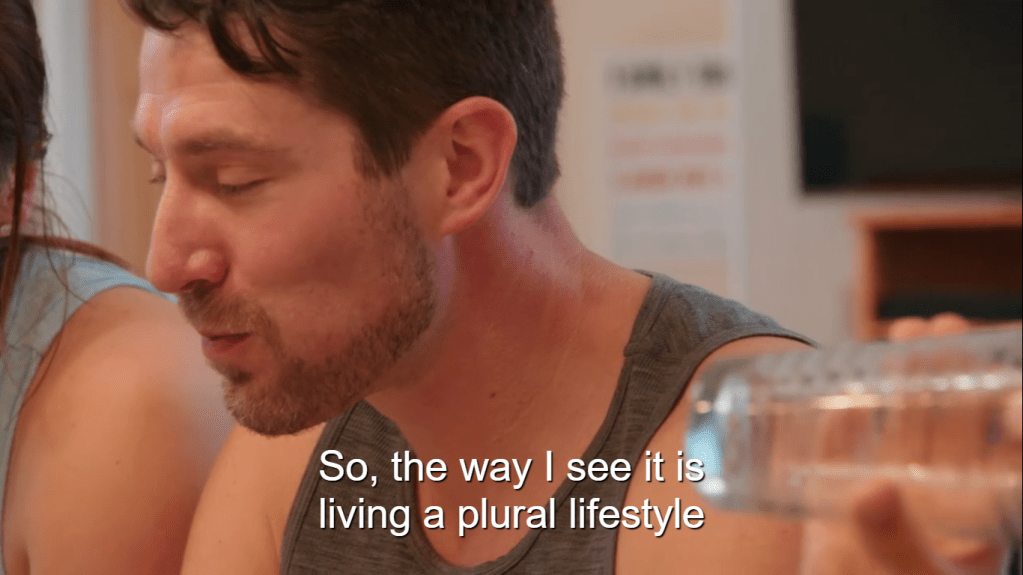

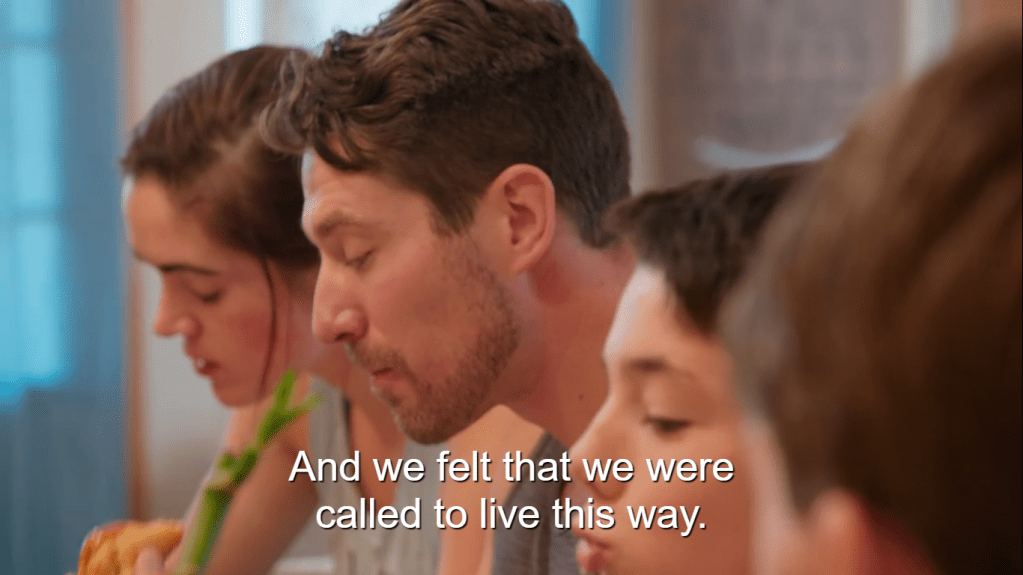
The way I see it is living a plural lifestyle is a great way to follow Christ and be like him.
Garrick Merrifield
I do not envy this family for courting and becoming engaged to a woman in a different country who speaks a different language! We have several friends with at least one wife in a different country, and they all have definitely chosen a hard way to live. The sisterwives don’t get the benefits that come from living together, and they end up living alone and almost like single mothers for weeks or months at a time. Melissa and I used to live only 1 hour apart, and that was difficult enough.



She [Roberta] lives in Brazil … so she speaks Portuguese, and only Portuguese.
Dannielle Merrifield
Here’s what my preteen son has to say about it: “It seems like such a dumb idea to marry someone who lives in a different country and you don’t even know each other’s languages. They should probably know the same language!”
One last thought about the episode. I like the comments Jarod Clark made about polygamy and kings and queens.


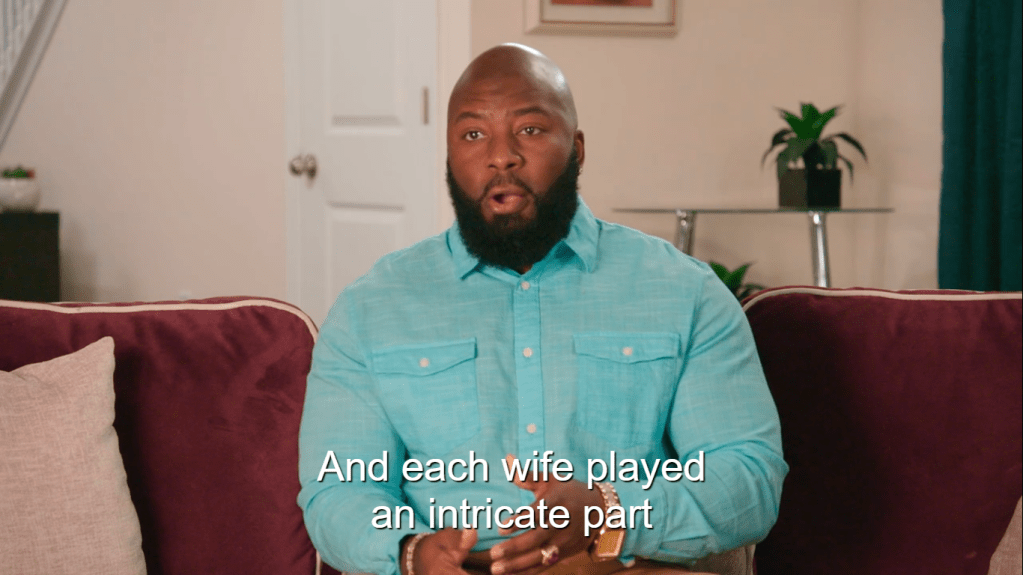
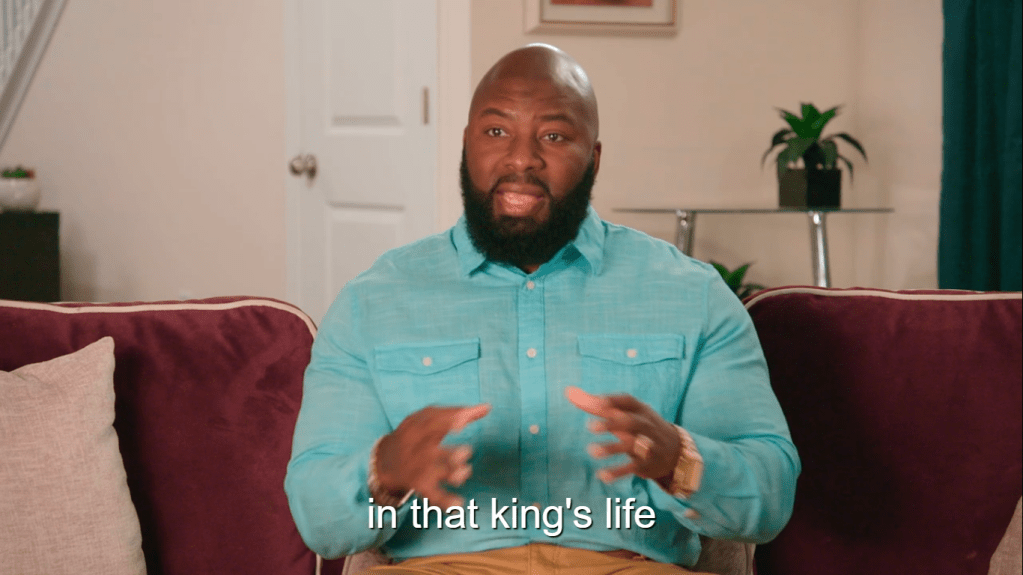

[Polygamy] was something that I [came] across in some research on how tribes and kingdoms were built, where a king had multiple queens, and each wife played an intricate part in that king’s life and in building and growing the kingdom.
Jarod Clark
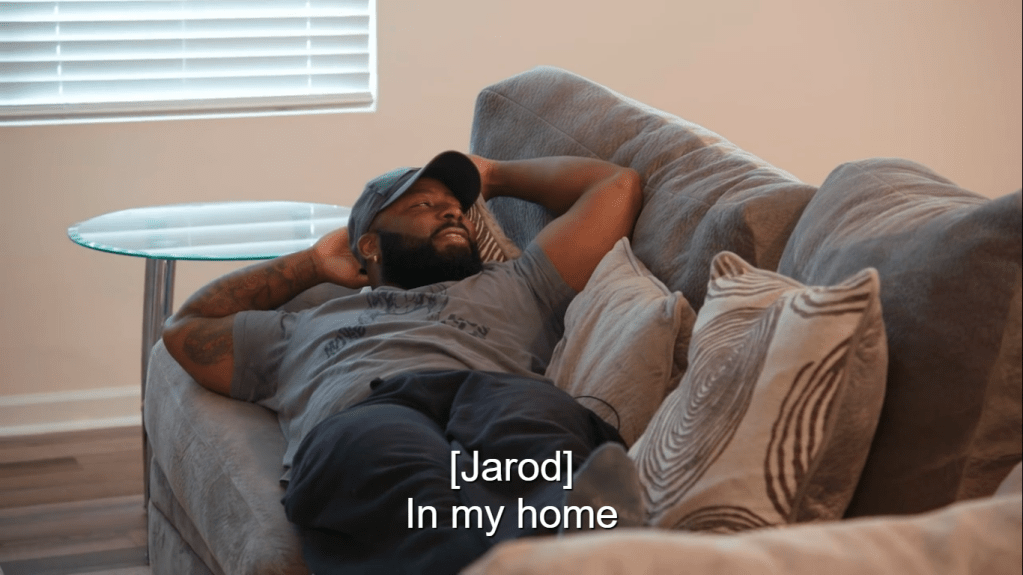
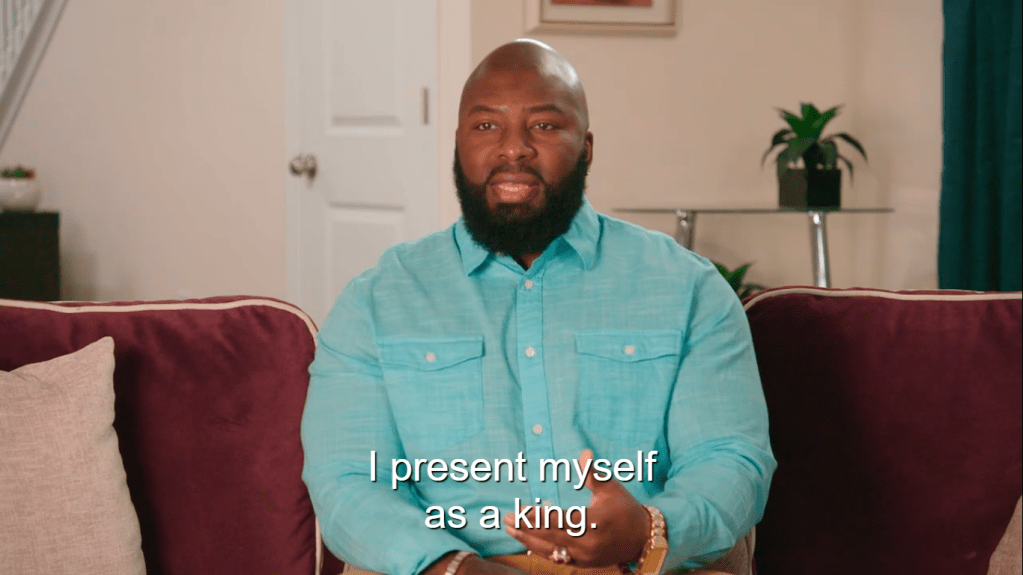
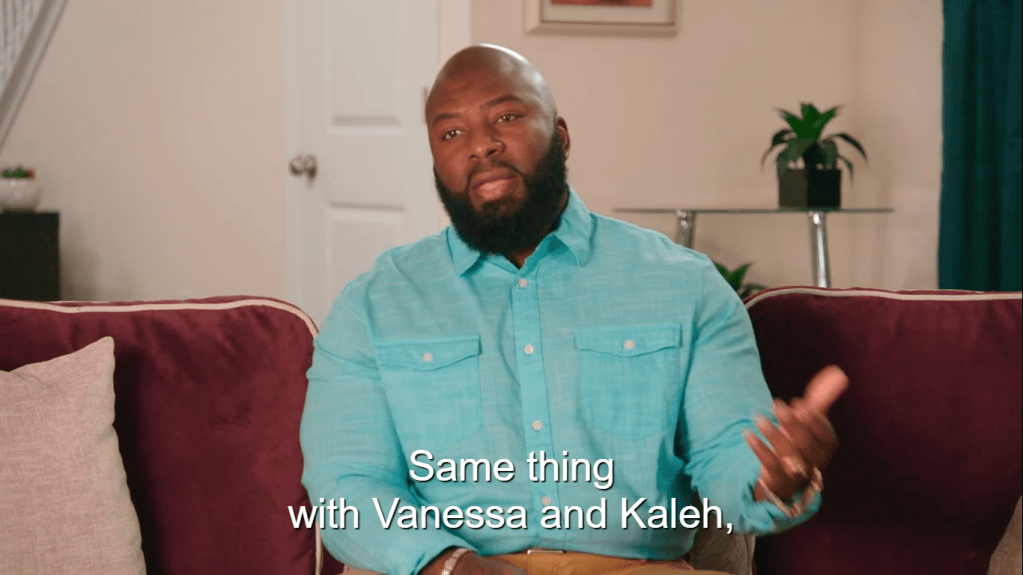
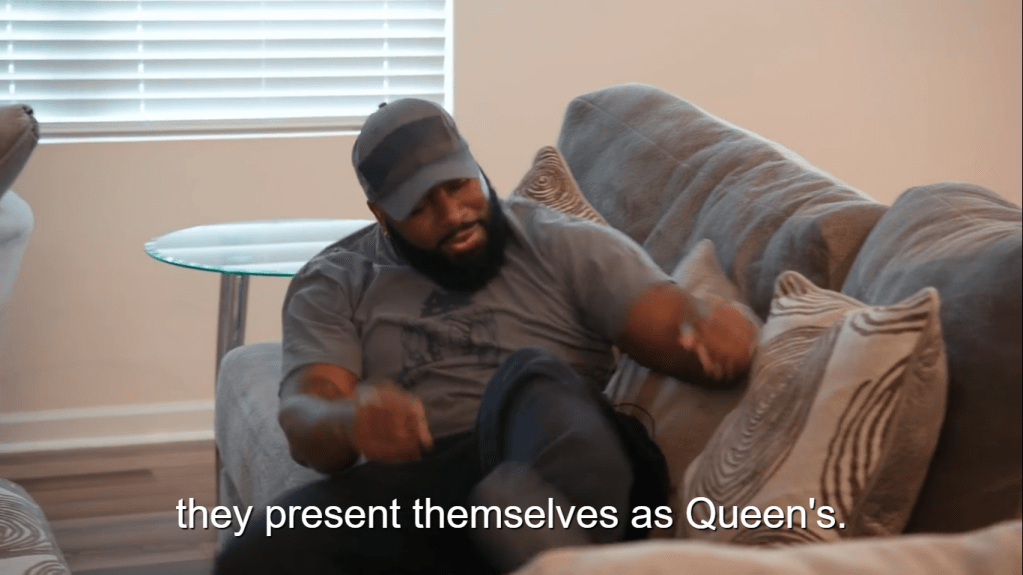
In my home I present myself as a king. … Same thing with Vanessa and Kaleh: they present themselves as queens.
Jarod Clark
The blog’s header image is a castle I designed with the Mars and Venus symbols, meant to symbolize the husband in a plural family being a king and his wives being queens.

I wrote briefly about the king/queen idea in this post about SSW S1E2 and this post about SSW S2E1.
And, finally, I wrote some about the king/queen concept in this post about being proud to be a polygamist. In that post, I talk about how wonderful I think my family and my husband are, how I consider Joshua a king and Melissa and I his queens, and especially about how being polygamous used to be embarrassing for me but now I hold my head up high.
I guess you could say I’m “Polygamist and Proud!” … or should I say “Polygamous and Proud!” ?



 Speaking of Polygamy...