

Note from the blog owner: Nate Richardson is a new contributor to the blog. This is his first post. As you’ll see in his writings, he has a testimony of plural marriage as an eternal principle, but as a member of the mainstream LDS Church in good standing, he is not currently allowed to practice that part of his faith.
Here are some reasons why I believe plural marriage was not a temporary Abrahamic trial, but rather an important doctrine of God’s eternal kingdom, surely to be practiced by some in the church at a future date. As a member of the LDS Church I do not now live or encourage others to live plural marriage, but there seems to be great misunderstanding about the eternal nature of this important doctrine of the restoration. When plural marriage returns, it won’t be for everyone, but consider the following evidences of plural marriage being a holy eternal principle for those interested in building God’s kingdom.
Sections:
1. MORMON PROPHETS TEACH & PRACTICE PLURAL MARRIAGE
2. JACOB 2 & BOOK OF MORMON PLURAL MARRIAGE EVIDENCE
3. WHY DID THE LDS CHURCH DISCONTINUE PLURAL MARRIAGE? IS IT A SHORT TERM TRIAL OR AN ETERNAL PRINCIPLE?
4. PLURAL MARRIAGE AS IDEAL FOR BUILDING ETERNAL FAMILIES: THE PATRIARCHAL ORDER, BIOLOGICAL EVIDENCES, AND THE FAITH RATIO
5. PLURAL MARRIAGE A BLESSING FOR MAN & WOMAN
1. MORMON PROPHETS TEACH & PRACTICE PLURAL MARRIAGE
For starters, for every one statement from the brethren [the leadership of the LDS Church] that plural marriage was a short-lived thing of the past you have about 50 from the brethren stating that it is eternal.
Joseph Smith taught that all of the major patriarchs had multiple wives, and in the restored gospel, many faithful saints and prophets early in this dispensation entered into this practice and testified of the Holy Ghost and angels which bore unmistakable witness to their souls that this was the will of God. Though Joseph had to keep plural marriage private to the public for his own safety, Joseph’s involvement with and teaching of plural marriage is undeniable. Brigham Young further taught that he was an apostle of Joseph, and that he received his teachings from Joseph.
Was it a haphazard free-for-all with many families being sealed to Joseph as his children, brethren, etc.? No, Joseph knew more about these laws than we do. Being sealed to a dispensation head, as well as using sealing power to restore the premortal order of families, are eternal principles which we know little of today.
Several leaders of the mainstream Church today were sealed to a second wife when their first wives died. Sealings of deceased wives are not nullified in these cases, and participants fully anticipate being polygamously married to both wives in the resurrection. So the doctrine of plural marriage is alive in the Church today, even though they aren’t practicing it at this time. This is additional evidence that plural marriage is an eternal principle revealed anew in this dispensation of the fullness of times, discontinued only temporarily.
I remember listening to a recent Q&A session with LDS Church Apostle Quentin L. Cook and someone who worked with Church history. The question came up as to whether plural marriage would be a future requirement. The historian replied that it wouldn’t be required, and turned to Elder Cook and said “isn’t that right Elder Cook?” then Elder Cook replied something to the extent of, “That’s right, but there are many things about polygamy that we just don’t understand.” To me this was an obvious and sort of hilarious dodging of a difficult subject! It’s not taught today because people can’t handle it, and God is being merciful with us, gathering all to the basic gospel he can. This principle could be a dividing topic as the church advances to fulfill its destiny to build the New Jerusalem and mirror the faith of the ancients. How will anti-polygamy advocates in the church react when they see mighty prophets of old show up with their plural wives? The promises of God will not be altered for these faithful adherents.
2. JACOB 2 & BOOK OF MORMON PLURAL MARRIAGE EVIDENCE:
One of the biggest objections to plural marriage is Jacob chapter 2 in The Book of Mormon which talks about monogamy as the standard, but who is the audience? The book was not written to people who are living celestial law, it was written to people who are hell bound sinners not ready for any higher laws (and yes, potential access to higher laws are a fact of the gospel as evidenced in every volume of scripture). The CONTEXT of the Jacob 2 passage was also group specific: “For there shall not any man AMONG YOU have save it be one wife”
A closer look into the Book of Mormon will show those patriarchs actually DID teach and practice plural marriage at other times than that of the people in the book of Jacob, though it’s not brought to center stage as that’s not the purpose of the book. Consider these 5 passages from the Book of Mormon which hint at and teach the righteousness of plural marriage when God sanctions it:
Ether 7:1-2 (righteous Orihah begat 31 kids)
Ether 6:20 (righteous brother of Jared had 22 kids)
2 Ne. 14:1-2 (7 women to 1 man will “be beautiful and glorious”)
Alma 10:7-11 (Amulek refers to “my women”)
Ether 14:2 (“every man…in the defence of his property and his own life and of his wives and children”)
(See Ogden Kraut’s article on Plural Marriage in the Book of Mormon for a more detailed look into this topic, which can be accessed at: http://richardsonstudies.com/2021/08/04/evidence-that-plural-marriage-was-practiced-in-the-book-of-mormon/.)
3. WHY DID THE LDS CHURCH DISCONTINUE PLURAL MARRIAGE? IS IT A SHORT-TERM TRIAL OR AN ETERNAL PRINCIPLE?
While the Book of Mormon is a basic missionary tract to help people learn the basic gospel of Jesus Christ and repent from their hell bound ways, the Doctrine and Covenants is designed for people who are trying to live celestial law and build Zion. In section 132 it says that celestial marriage is God’s new and everlasting covenant. Monogamous marriages done in temples are surely pleasing to God and valid, but it is clear that the fullness of God’s law includes plural marriage for those interested in the unique blessings which that practice offers (and which provide for women who would otherwise not have the blessings of eternal marriage). Bruce R. McConkie spoke of a day when the mainstream Church would return to this holy practice, he predicted it would commence again once the millennial reign of Christ began; perhaps he came to this conclusion from the scripture which says that Zion must be built by adherence to all celestial laws.
So why were Joseph Smith, Brigham Young, and other righteous saints so hesitant to live this law? Because they weren’t used to it, they knew it would be a hard transition for themselves and their people. After all, this practice had been lost all throughout the dark ages, and restoring it would shock the masses. These brethren were leaders responsible for bringing a people up to a higher standard than anyone had conceived. The mysteries of Godliness are being revealed, and it is at times strong medicine.
Some say plural marriage is just for this life. Some go so far as to suggest it was a negative thing which we just had to muscle through. They say “thank God it’s over, that Abrahamic trial!” but this is not the spirit of Zion, and is in direct opposition to scripture! True, this doctrine is an Abrahamic trial to many who have been called to live it, but the Doctrine and Covenants shows that Abraham is identified as being in an exalted enthroned condition with multiple wives. Both he and his wives are exalted together! The trial of faith blooms into a bouquet of blessings as we leave behind the false traditions of our fathers.
The only reason plural marriage was discontinued in the mainstream Church was due to government pressure: the threat of temples being closed, taxed, and everyone going to jail. God could have beaten the enemies of the Church but the saints were not living worthy of it so they had to step down from this holy practice. The saints were constantly complaining and slow to heed council. Similarly the D&C [Doctrine and Covenents] says the reason the Saints didn’t get to stay in New Jerusalem Missouri was due to their unworthiness. Faithful saints understand that God still expects his covenant people to build up the center stake of Zion in Missouri, and look forward to the return of all of His laws identified in the D&C, including plural marriage.
If the saints were being saints, this practice in the mainstream Church would have never been discontinued. It’s like when the Israelites rejected the judge system in favor of a king. A sad rejection of higher law, but God allowed it. The story of Joseph loaning the Book of Mormon manuscript to Martin Harris also comes to mind. At some point, when the saints complain enough, God says “fine, do it your way, see how that works for you.” Well did John Taylor prophecy that whoredoms would be rampant in the church when they rejected plural marriage!
4. PLURAL MARRIAGE AS IDEAL FOR BUILDING ETERNAL FAMILIES: THE PATRIARCHAL ORDER, BIOLOGICAL EVIDENCES, AND THE FAITH RATIO
A related topic which must be understood when looking at plural marriage is the patriarchal order, which teaches us to humbly play our part rather than proudly seek our will and our ways above God’s ways, which we do not always understand. God presides over Christ, Christ presides over men, men preside over women, and women preside over children (see 1 Corinthians 11:3; Ephesians 5:22-25, 28; Colossians 3:14, 18-21; Acts 5:29). Let us not be among those who seek to overthrow the scriptural patriarchal order of family! None of us are subordinate in this order, we all work together, and we all need each other. For example, who would dare blaspheme and say that Christ isn’t as worthy and divine as His Father? Not I. Different stations does not indicate different worthiness or merit. All is to be done in wisdom and order. We are all made for a purpose, and those purposes are all glorious! We are all joint heirs with Christ to all the Father has (D&C 84). The wives of God (and the wives of any righteous man) are considered his equal partners, and they counsel together through His presiding leadership and provision to bring to pass our eternal life and immortality. When God commands plural marriage (or anything else), all we can do is accept or reject it – we do not tell Him our opinions about other ways we think would work better. Naturally plural marriage and the patriarchal order are hard to understand today. Surely we must be patient as we may not fully understand the mind of God at this time. God is love, and his ways are generous just and holy to all. God is the creator, and he knows what is best, and how to arrange us into families to help us fulfill the measure of our creation, and be filled with an eternal fullness of joy!
(For further study on the patriarchal order and plural marriage being principles which honor and exalt women, see Kimberly Watson Smith’s essay here: http://richardsonstudies.com/2021/12/03/kimberly-smith-on-the-patriarchal-order-plural-marriage-as-honoring-and-exalting-women/.)
D&C 132:63 indicates that plural marriage and the seed resulting from it are important elements of the exaltation of the saints, and that it is practiced by Father in Heaven, “for their exaltation in the eternal worlds, that they may bear the souls of men; for herein is the work of my Father continued, that he may be glorified.”
The parable of the talents can apply to plural marriage (as Joseph covertly taught), and to women having many children (while to others the privilege of childbearing and marriage will be revoked). Some think these principles of family growth are unfair, but in reality those who are righteous are entrusted with more as God knows they’ll use that resource for building the kingdom. The mark of a saint is the desire to work together with others to build the kingdom of God, and this centers in building families. God is a family man, and the path for all to be like our Heavenly Parents (and thus glorify God) is to build righteous families.
We read of the universal Father and Mother in heaven in the 1995 Family Proclamation, and some use this to claim that God is monogamous. But that document is addressed to people on this Earth, and it could very well be that all the people on this Earth do have the same mother. Brigham taught that the people of each Earth have their own mother. Either way, we know that men and women have different but equally important roles. On this Earth the man goes off to work (often with the older sons and other men) while the woman and older daughters (and sometimes sister wives in plural marriages) care for the young children and the household. Perhaps what we see on earth is typical to what occurs in heaven, and the parable of the Lord visiting 12 vineyards each in turn comes to mind as he oversees his family kingdoms (worlds, etc.).
The biological reality of men versus women in the reproductive system is obvious evidence for plural marriage. Man can produce many children while a woman can only produce one at a time, so it makes sense that building eternal kingdoms would involve a plural marriage of one man to multiple women. The Doctrine and Covenants specifically identifies plural marriage as being for the purpose of raising up more seed. If there is a more efficient, better way to do something, and you chose the inefficient way, you are helping fewer people than you could, and are thereby choosing a less charitable path, and charity is the essence of Godhood. Godhood is receiving eternal joy as a result of charity. Though some have listened to the adversary to pervert this holy practice, the true essence of celestial plural marriage is charity, and our bodies bare record of it!
Some complain that the birth rate is 1:1, which couldn’t allow for plural marriage. It’s true that the typical lifestyle for most people is monogamy. Plural marriage was never meant for everyone. But consider how very few respond to God’s invitations to live higher ways which offer more growth; it’s an obvious reality that there are more women than men generally interested in religion at all, and that there are more women than men in the church (particularly so when considering the quality of those members, and even more particularly so when considering the number of single men to single women in the church; see the article “Dateonomics” https://speakingofpolygamy.com/2018/02/25/dateonomics/)
Just a few years ago President Henry B. Eyring [a member of the First Presidency of the LDS Church] pointed out the fact that there are more women than men in Zion. He said, “If the past is prologue, at the time of the Savior’s coming, the daughters who are deeply committed to their covenants with God will be more than half of those who are prepared to welcome Him when He comes. But whatever the numbers, your contribution in creating unity among the people prepared for that Zion will be far greater than half.” (Oct. 2020 Sisters in Zion (churchofjesuschrist.org))
Another demonstration of God’s provision for his people to be taken care of and continue growing the orderly kingdom of God in their families is the levirate law: the brother (or brothers if the men each die in turn) of a deceased man is to raise seed to his brother’s kingdom (which family kingdom is a branch of God’s kingdom) with the deceased man’s surviving wife (or wives), and the wife belongs to and only to the first man in eternity. This was enacted with the wives of Joseph Smith being married to Brigham Young at Joseph’s death, and children from those marriages are Joseph’s seed.
For an article summarizing Levirate law, sealings, adoption bloodlines, multiple fathers & mothers, Mary’s marriage to Father, Brigham raising seed to Joseph, Jesus’ marriages, questions about Joseph’s plurality, etc.: http://richardsonstudies.com/2021/09/27/adoption-sealings-blood-lines-levirate-law-plural-marriage/
5. PLURAL MARRIAGE A BLESSING FOR MAN & WOMAN:
Some claim that plural marriage is just a trial. But David was allowed more wives as long as he had permission from God, and this to him was a blessing, not a trial. The only trial for David (and for us) is to not partake of what God has not given. Beware the Achilles Heel so to speak – God will bless you, but only if you stay within the abundant parameters he has set. There will always be temptation and trials, but living for God ensures an ultimate restoration of all that was lost. Faithful saints eventually learn that all God has required of them worked toward their blessing, rather than their cursing.
The Lord promised that whoever gives up a wife for the cause of Christ will receive 100 fold (Matt. 19:29). For example, if a man chooses to marry a woman who is more humble and God-fearing as opposed to a perhaps more young attractive and fun woman who is not God-fearing, the man will be blessed exponentially in the very aspects that he sacrificed. That’s how all sacrifice works, the blessings you get in return are related to what you sacrificed, and far exceed what you would have had otherwise. Plural marriage will be an obvious fulfillment of blessings for men and women who chose to keep the faith. A woman who chooses a righteous man over a faithless one will be blessed with eternal increase, which the faithless man could never have given her. Today women do not have full choice of which man they will choose to marry, and often remain single or they get involved in the great horrors and dangers of dealing with a man of little faith. It is not good for man to be alone, and it is not good for woman to be alone.
A righteous woman can learn to be glad for her husband to take another wife if it is God’s will – her heart would rejoice to see her husband’s kingdom expand, and she would know that as her husband is blessed, she is blessed. She is part of him, and he is part of her. His kingdom is her kingdom. His power and glory are her power and glory. As a being of perfect charity, the saintly woman will rejoice at the opportunity to give additional women the blessings of eternal marriage which she enjoys by allowing these needy women into her family as plural wives when God commands it. The faithful woman knows that no blessing is lost when following the Lord, only gained.
Central to the woman’s blessings of living plural marriage are not only in her kingdom growing by her husband’s plural wives, but by the endless posterity she is promised. A fullness of God’s blessings of eternal posterity, which posterity is the highest and holiest ambition of woman (and the end to which all of men’s work is done,) is only to be realized by those who live by every word that proceeds from the mouth of God. Man cannot have children; this is the privilege of woman. She gains full access to that privilege as she selects a righteous priesthood holding man to marry, which also means being open to sharing her husband with additional sister wives who also want that blessing when the Lord so allows. Together, they can all rejoice in their cups running over!
A plural wife is blessed not only to have a righteous husband, but to have sister wives who participate with her in the family kingdom. Surely righteous women can find uncommon joy and success as they work together to raise children in the home. Women can enjoy having more adult female associates to share burdens, conversations, joys and tears with. The tendency of women to long for one another’s company is an obvious reality, a need which is sadly often going unmet today. Or if a woman manages to find a close female friend, it takes her energy and time away from her family, whereas a sisterwife relationship is a female relationship kept within the family. The former leads to weaker families and the latter leads to stronger.
While bearing children is a blessing to woman, today it is a very painful process. After the curse is lifted, childbearing will not be such an overwhelming burden. Man’s main job in this life is also cursed, the plowing of the fields being full of noxious weeds. The curses on labor for men and women will be lifted. All things in heaven will be blessed, including social relationships which are often difficult now. Today is the trial of faith and a foretaste of God’s blessings, while tomorrow is the rest of the Lord, and the realization of more joyful family relations full of life and wonder than we can now comprehend.
God will help us all to be perfectly satisfied in our families as we sacrifice to build His kingdom. For those who qualify for and are called to living celestial plural marriage, this proves to be a blessing beyond comprehension.
(See Nate’s free book “Plural Marriage & The Restoration: A Positive View” available at RichardsonStudies.com for additional essays on this subject.)
 this heinous sin by virtue of their marriages. For example, the last paragraph under the entry “Plural Marriage” in the book Mormon Doctrine, by Bruce McConkie, said, “Any who pretend or assume to engage in plural marriage in this day [when the President of the LDS Church has forbidden it], are guilty of gross wickedness. They are living in adultery, have already sold their souls to Satan, and (whether their acts are based in ignorance or lust or both) they will be damned in eternity.” These are strong accusations to make.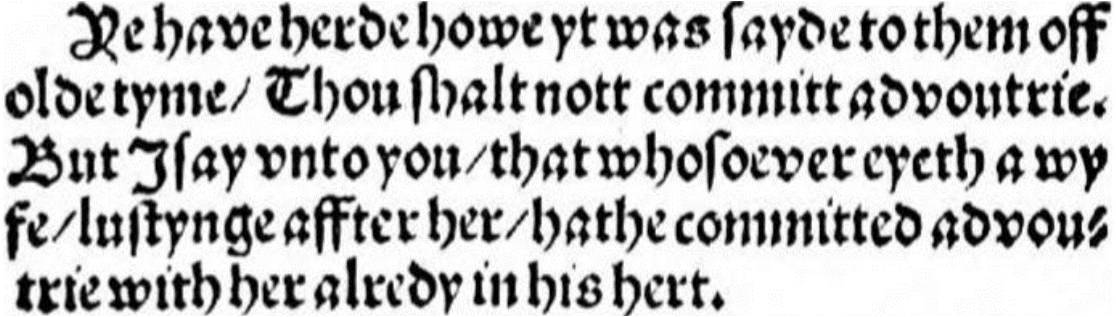
 Speaking of Polygamy...